Situation in AJK: Youth’s Perspective
The situation in Azad Jammu and Kashmir (AJK) needs greater response from institutions, involving sustained dialogue and youth participation. Regarding this, peaceful negotiations, public resource development, and evidence-based policymaking are necessary to strengthen state-society trust and address any grievances.
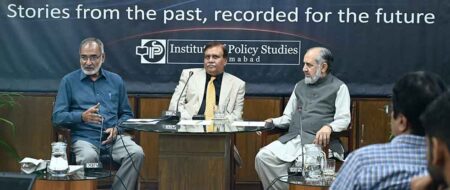
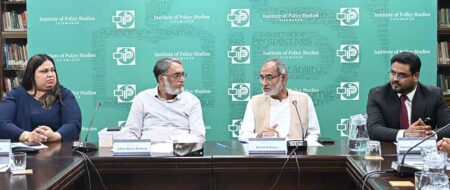
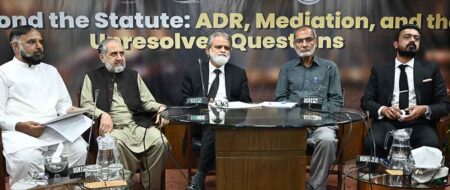
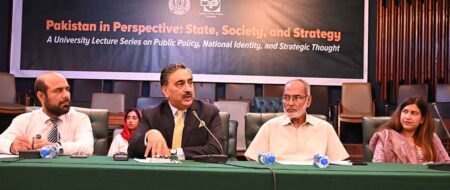
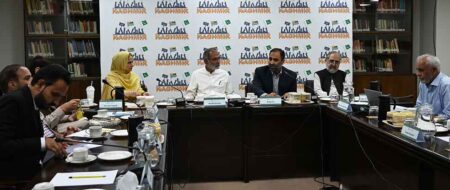
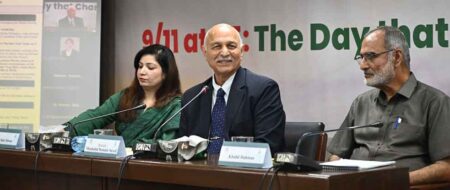
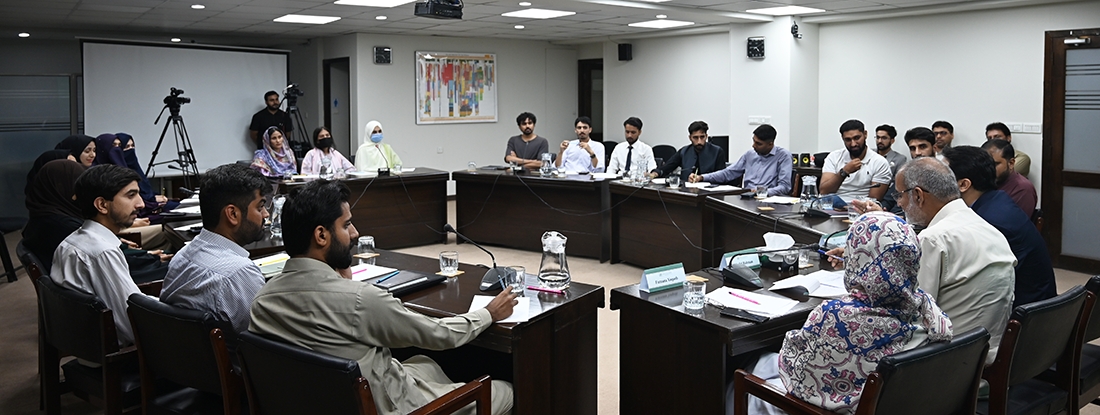
This was discussed during a dialogue between experts and youth representatives from Kashmir that aimed at deliberating on the evolving situation in Azad Jammu and Kashmir (AJK). The session, organized by the Institute of Policy Studies (IPS) on June 24, 2026, served as a valuable platform for young voices, who shared their understanding of the situation.
The dialogue underscored a variety of socio-political and economic-related concerns, as participants highlighted challenges in healthcare services and educational services across Azad Jammu and Kashmir (AJK). Participants noted that due to the limitation of basic public services, residents of the region are compelled to seek these services in other parts of Pakistan. Therefore, they suggested the strengthening of institutions, improving service delivery, fostering constant engagement among stakeholders.
During the session, young participants provided reflections on the demands of the Joint Awami Action Committee (JAAC), mainly concerning the refugee seats in AJK assembly. They stressed that only a meaningful and constructive dialogue between the state institutions and citizens can break the deadlock, providing opportunities to seek a collective solution through negotiations. This way, an environment of peaceful resolution of the situation can be established based on the principles of mutual respect and social cohesion.
The participants also highlighted the role of media in narrative building. They argued that unbiased reporting and responsible journalism are essential for advancing informed public debate. Therefore, by avoiding any unnecessary sensationalism, true aspirations and realities of the people of AJK should be projected through constructive media engagement. Participants noted that such media framing is essential for ensuring national cohesion and encouraging informed discussion.
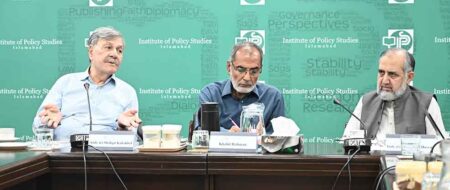
Concluding the dialogue, Chairman IPS, Khalid Rahman, noted that institutional transparency, constructive engagement among stakeholders, and resource development are necessary steps for sustainable progress in AJK. Even though public demands often generate apogee of emotions, it is necessary to direct such sentiments towards evidence-based dialogue and future-oriented solutions.