Digital advocacy, cultural confidence, and youth engagement are vital to strengthening Pakistan’s global image: Ambassador Naela Chohan
In an era in which international perceptions are increasingly shaped by digital platforms and public narratives, effective diplomacy extends beyond official negotiations to include cultural engagement, strategic communication, and citizen-led advocacy. For countries like Pakistan, strengthening soft power requires not only sound foreign policy but also a confident understanding of national identity, history, and civilizational heritage. Equipping young people with the skills to engage constructively in digital spaces and contribute to national discourse is, therefore, essential to projecting a positive image of the country in an interconnected world.
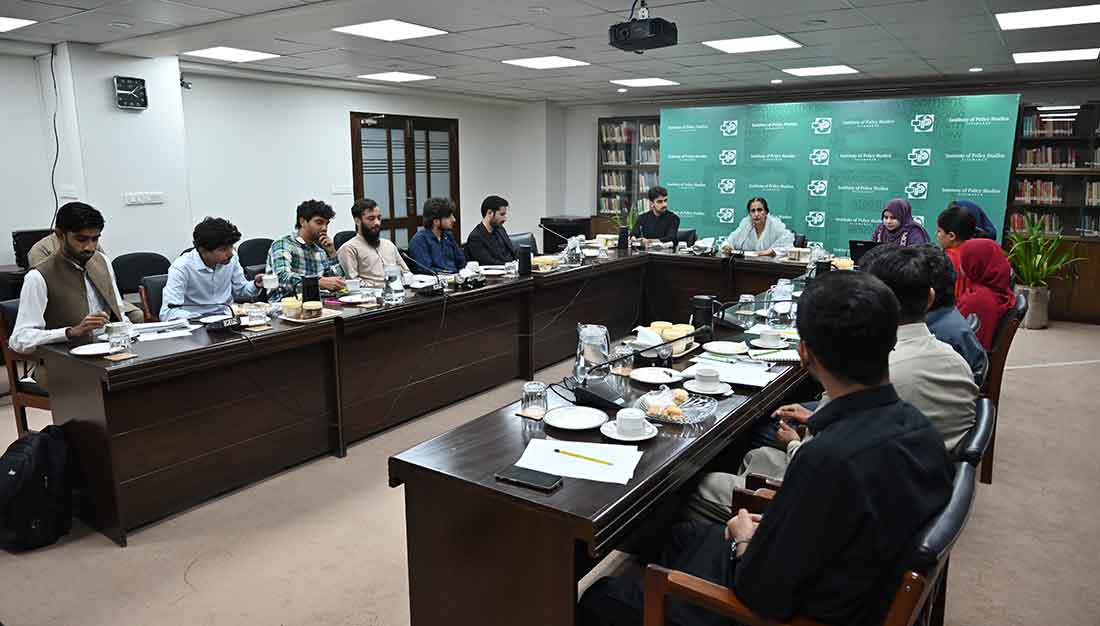
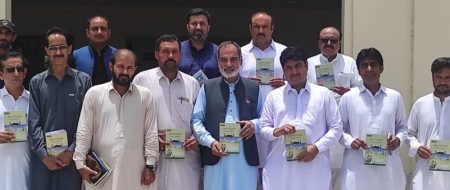
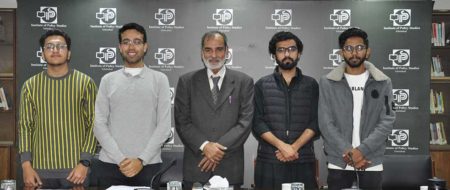
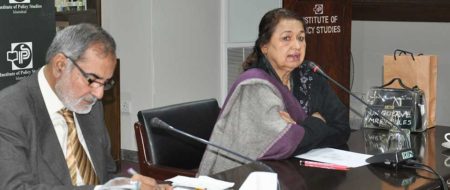
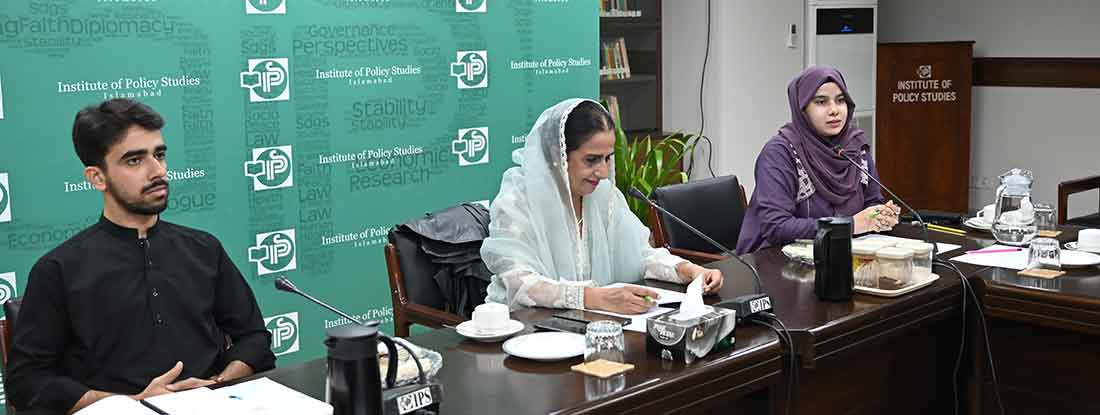
These themes emerged during an interactive session of the Digital Advocacy Program organized by the Institute of Policy Studies (IPS), Islamabad, on July 31, featuring Ambassador Naela Chohan, veteran diplomat, artist, and advocate for women’s rights. The program brought together students from universities across Pakistan for an engaging dialogue on diplomacy, advocacy, foreign policy, identity, digital engagement, and youth leadership.
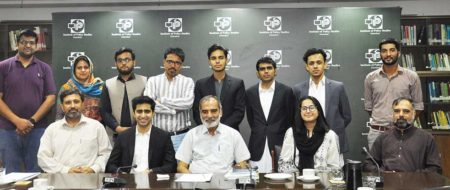
Bringing together students from universities across Pakistan, the session explored the intersections of diplomacy, digital advocacy, foreign policy, culture, and youth leadership. The IPS Digital Advocacy Program seeks to equip young people with practical advocacy skills and encourage the constructive use of social media to address societal challenges and contribute to positive change. More than 400 students from universities across the country have participated in the initiative so far.
Reflecting on Pakistan’s diplomatic journey, Ambassador Chohan highlighted the country’s longstanding commitment to supporting anti-colonial movements and promoting international cooperation. She noted that Pakistan’s foreign policy has historically sought to balance national interests with broader humanitarian concerns, emphasizing that diplomacy requires adaptability, innovation, and a deep understanding of diverse cultures and societies.
Discussing contemporary geopolitical challenges, Ambassador Chohan spoke about the limitations of the existing international order and the need for reforms in global institutions. She observed that unresolved issues such as Palestine and Kashmir continue to expose structural imbalances in international decision-making and underscored Pakistan’s active engagement in debates on institutional reform.
Addressing students’ questions on digital diplomacy and Pakistan’s international image, she stressed the importance of public engagement, cultural confidence, and strategic communication. She argued that Pakistan possesses immense soft power rooted in its civilizational heritage, languages, traditions, architecture, and cultural diversity, but often fails to appreciate and project these strengths effectively.
Ambassador Chohan also reflected on the enduring impact of colonial legacies on education, language, and self-perception. Encouraging young people to reconnect with their intellectual and cultural heritage, she emphasized the importance of self-respect, critical thinking, and historical awareness in overcoming inherited feelings of inferiority.
Drawing upon her diplomatic experiences in countries including Iran, Australia, and Argentina, she underscored the significance of empathy, compassion, and linguistic competence in international relations. Language, she remarked, is one of the most powerful instruments of diplomacy, enabling meaningful engagement across cultures and opening new avenues for collaboration and learning.
Responding to questions about careers in diplomacy, Ambassador Chohan encouraged students to pursue opportunities through the Foreign Service and international organizations while emphasizing that merit, integrity, and hard work remain the foundations of meaningful public service.
In her concluding remarks, Ambassador Chohan urged participants to become proactive agents of change, develop their own voices, and contribute constructively to society. She emphasized that Pakistan’s future depends on a generation that is confident in its identity, committed to truth and honesty, and prepared to transform challenges into opportunities through innovation and perseverance.