Experts call for pausing NCF 2026 finalization to ensure indigenous grounding and policy coherence
Ensuring that national curriculum development reflects indigenous values, constitutional principles, and educational realities is central to building a coherent and future-oriented education system. In Pakistan, curriculum reform requires not only periodic revision but also a clearly articulated policy foundation, inclusive stakeholder engagement, and alignment with national ideological and social priorities.
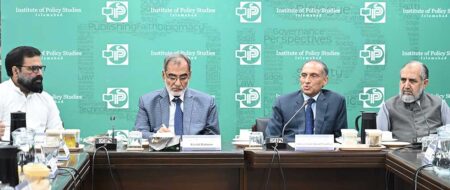
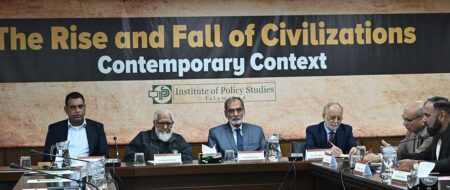
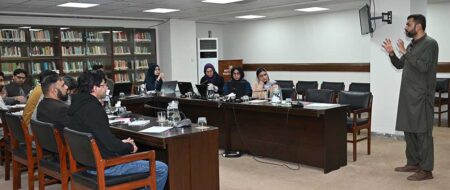
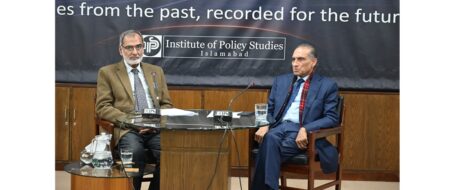
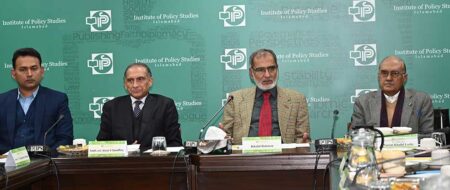
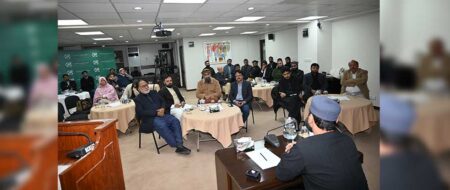
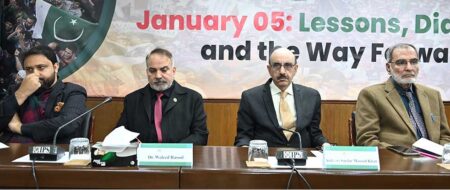
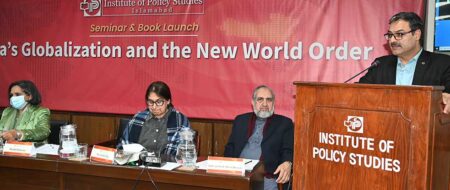
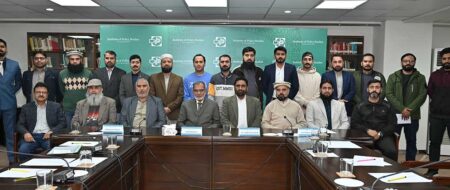
These concerns emerged during a consultative meeting titled “National Curriculum Framework 2026: A Review,” hosted by the Institute of Policy Studies (IPS), Islamabad, on March 27, 2026, where experts called for an immediate pause in finalizing the National Curriculum Framework (NCF 2026) to enable a more rigorous, evidence-based, and consultative process.
The consultation brought together scholars, educationists, researchers, career counselors, and practitioners to review the draft framework being developed by the National Curriculum Council Wing of the Ministry of Federal Education and Professional Training. Participants included Participants included Mansoor Shakil, CEO and vice chairman, Character Education Foundation (CEF), Dr. Sohaib Zafar, head of R&D, CEF, Muhammad Asim, head of advocacy and PR, CEF, Naseer Kiyani, founder of Leadians School System, Arshad Saeed Khan, an educationist, Dr. Fareed Brohi, Dawah Academy, IIUI, Ahmed Mazhoor Ashraf, a trainer, Yousuf Almas, CEO, Eduvision Career Counselling, Dr. Waqas Khan, director, Tarbiyyah Resource Centre, RIU, Muhammad Waqas Khan, director, Fatih Education, and Khalid Rahman, chairman, IPS.
Participants acknowledged the importance of curriculum review but raised concerns about the rationale and approach adopted in the draft. A key issue highlighted was the absence of a critical evaluation of the previous framework (NCF 2017), with experts cautioning that without evidence-based justification, the exercise risks becoming a routine administrative update rather than meaningful reform.
Speakers emphasized that education policy must be anchored in the Constitution of Pakistan, which provides the ideological and normative foundation of the state. However, the draft framework does not adequately reflect constitutional directives, including the promotion of Islamic values, protection of minority rights, strengthening of family institutions, and fostering national cohesion.
Another major concern was the absence of a comprehensive national education policy to guide the framework. With no updated policy since 2009, experts warned that developing a curriculum framework in isolation risks creating a “policy vacuum,” resulting in fragmentation and lack of strategic direction.
The consultation also highlighted limited stakeholder engagement in the drafting process. Participants noted that consultations have largely remained confined to official channels, excluding private institutions, deeni madaris, and frontline educators. This top-down approach, they argued, may lead to a framework disconnected from classroom realities and lacking broad-based ownership.
Conceptual concerns were also raised regarding the draft’s emphasis on diversity and localization without sufficient focus on national integration. While acknowledging Pakistan’s cultural diversity, experts stressed the need for a unifying ideological framework to ensure social cohesion and shared national identity.
The role of teachers emerged as a critical gap. While the draft promotes teacher autonomy, it does not sufficiently address their role in shaping moral values, civic responsibility, and national consciousness. Similarly, concerns were expressed over the marginalization of Urdu despite its constitutional status as the national language.
Participants further noted ambiguity regarding the framework’s applicability across diverse education systems, including international curricula and deeni madaris, raising questions about its scope and standardization. Experts called for a transparent, inclusive, and policy-driven approach to curriculum reform.