IPS Community Engagement Initiative: “Sustainable Society: Empowering Youth for Action”
IPS conceived and implemented an action-research and community-engagement initiative focused on the principles of the circular economy and addressing the real-world socio-economic and environmental challenges through locally grounded models, aligned with the Sustainable Development Goals (SDGs). This on-going long-term program, titled “Sustainable Society: Empowering Youth for Action,” is rooted in the principles of circular economy and sustainable development outcomes through community participation, locally informed decision-making, and inclusive stakeholder engagement, particularly in marginalized and underserved settings.
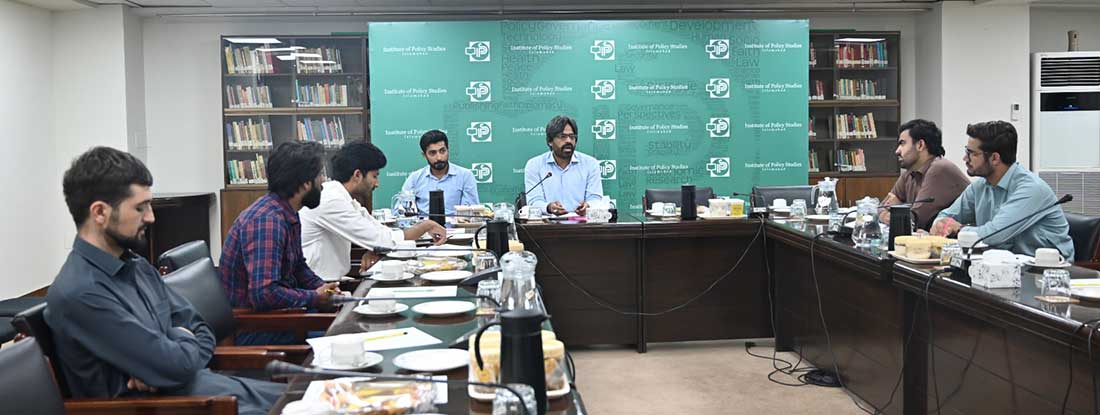
This is an ongoing project that is positively impacting society. So far, the project has engaged more than 70 volunteers from 10 different universities. The livelihood of 35 members of vulnerable youth has been enhanced, and more than 4000 kgs of waste has been processed. Moreover, as far as community engagement is concerned, 300+ people are directly engaged with in the awareness campaign and active engagement for the project.
The project included conceptual designing, stakeholder coordination, and analytical framing, engaging local communities, universities, youth, and deprived population segments in the co-development of practical social entrepreneurship models. The initiative emphasized sustainability-oriented outcomes, including cleaner environments, organic agriculture, skills development, and livelihood creation, while strengthening social inclusion and economic resilience. These objectives are achieved through developing and implementing a successful, practical project of preparing organic compost from household green and brown waste.
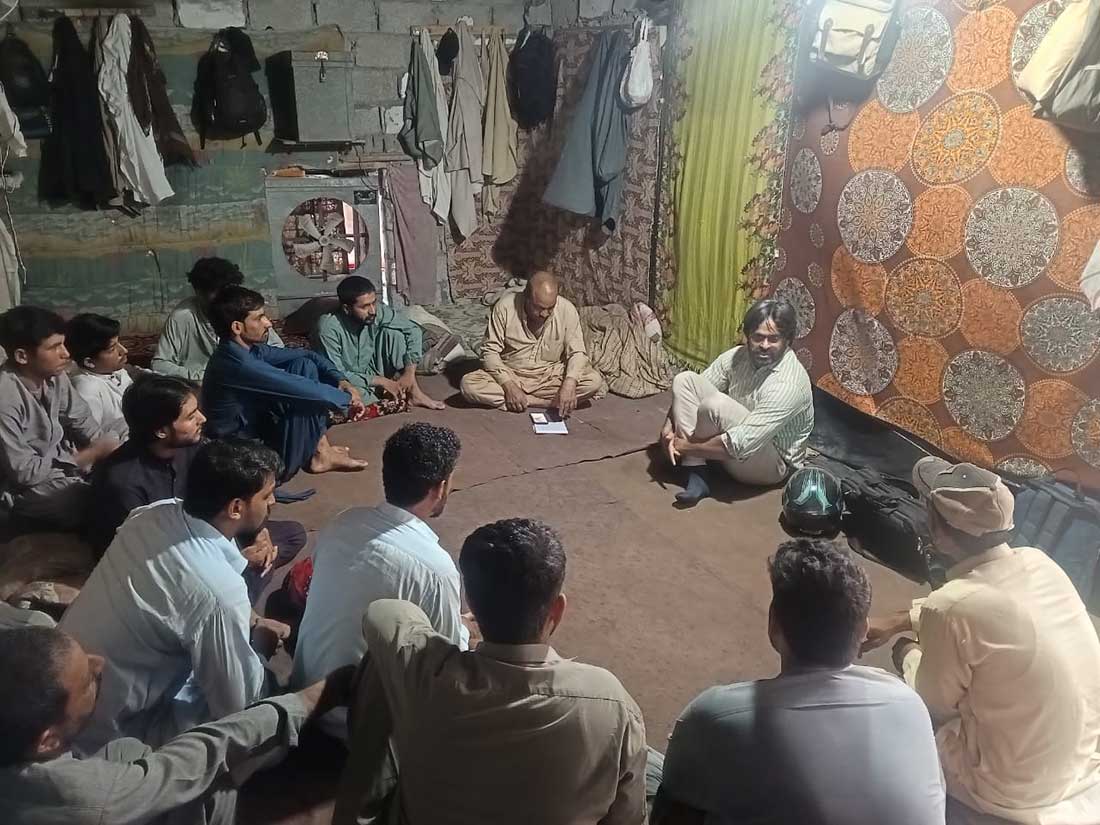
The project focused on Turning Trash into Treasure, engaged marginalized and vulnerable youth to segregate the household waste, sell at project-run waste processing sites, engage in the composting process, and market the ready product. University youth are engaged as volunteers and they are focused on mobilizing the community in two ways: first, raising awareness of the community regarding the usefulness of waste, earning opportunities, and cleanliness, and secondly, motivating households and specifically women, to actively participate in the project through segregating the waste at source (houses) and selling it to the project.
Through field-based engagement, training and mobilization activities, and continuous interaction with community actors, the project generated post-activity research, impact analyses, and documented case studies. These outputs provided policy-relevant evidence on how community-led financing mechanisms can support sustainable livelihoods, environmental responsibility, and long-term resilience, reinforcing IPS’s capacity to bridge grassroots realities with analytical rigor and policy discourse.