The Living Scripts Session with Ambassador (r) Abdul Salik Khan
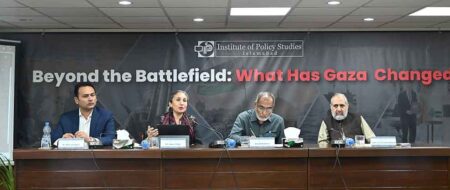
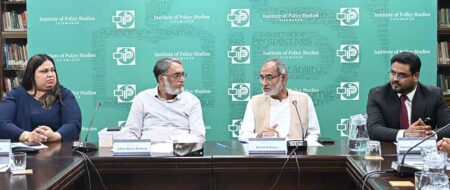
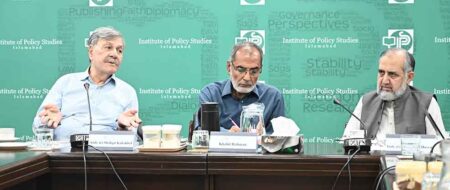
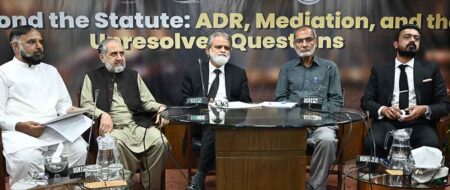
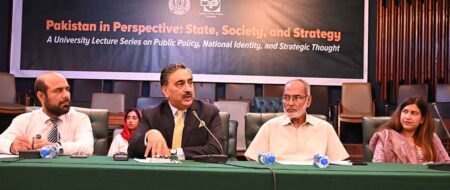
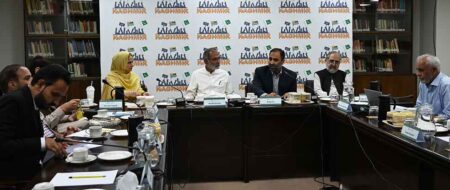
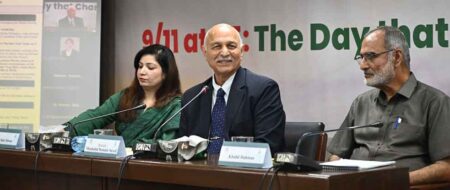
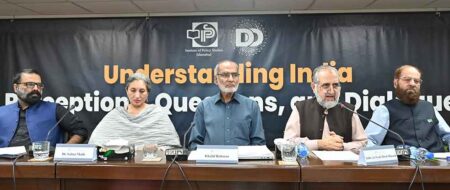
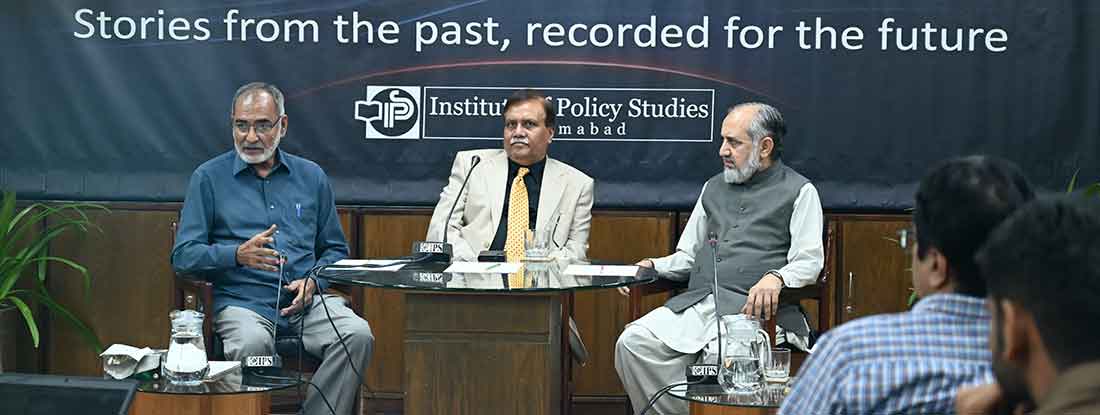
The Institute of Policy Studies (IPS) held a session of its oral history project, The Living Scripts, featuring Ambassador (r) Abdul Salik Khan on October 7, 2026. Reflecting on his diplomatic career and subsequent service as chairman of the Balochistan Public Service Commission (BPSC), Ambassador Salik shared insights into merit-based recruitment, governance, institutional continuity, and the importance of peace and public representation in Pakistan.
A member of the 1986 batch of the Foreign Service of Pakistan, Ambassador Salik served in several countries, including Oman, Germany, Yemen, China, Saudi Arabia, Kazakhstan, and Indonesia. Among his prominent assignments were Pakistan’s ambassadorships to Kazakhstan and Indonesia and his tenure as consul general in Jeddah. Drawing on these experiences, he discussed the governance practices he observed across different countries and their relevance to Pakistan.
Recalling his tenure as chairman of the BPSC following his retirement from the Foreign Service in 2020, Ambassador Salik described merit and transparency as essential principles of public administration. He emphasized the challenges of ensuring fair recruitment in a society where personal connections, family affiliations, and external recommendations can influence expectations. He maintained that appointments must be based on merit rather than personal relationships or pressure.
Sharing an incident from his tenure, he recounted how a discrepancy in the examination results for an assistant professor’s position led to the discovery of an administrative error. Despite resistance, he insisted that the matter be addressed transparently and that the result be cancelled. He described the experience as a reminder of the responsibility attached to public office and the importance of acknowledging mistakes rather than concealing them.
Ambassador Salik also reflected on recruitment in Balochistan, highlighting the determination of candidates from remote areas who succeed despite limited access to libraries, internet connectivity, and educational resources. He argued that candidates from different ethnic backgrounds possess comparable potential and that equal opportunities, consistent merit-based selection, and continuity in recruitment policies are essential for building public confidence in institutions.
Discussing the province’s broader challenges, he stressed the need for better infrastructure and public facilities in districts beyond Quetta. He observed that the availability of schools, healthcare, and suitable living conditions is important for retaining teachers, doctors, and other professionals in remote areas. He also underlined the importance of understanding Balochistan’s diverse social and cultural realities while addressing its governance and development needs.
Reflecting on his overseas assignments, Ambassador Salik identified different lessons from the countries where he had served. He highlighted professionalism and balanced regional development in Germany, continuity of policies in China, and the importance of peace and economic progress in Kazakhstan. His experiences, he suggested, reinforced the value of institutional stability and sustained attention to public welfare.
Concluding his reflections, Ambassador Salik emphasized that peace, accountability, and public representation are fundamental to Pakistan’s progress. He called for giving people the opportunity to elect their leaders and stressed that public officials must remain accountable for their decisions and personal conduct. He cautioned against excessive self-criticism, arguing that Pakistan must recognize its strengths while addressing its shortcomings through sustained institutional reform and responsible governance.