Understanding India’s strategic culture requires historical perspective and critical inquiry: IPS brainstorming discussion
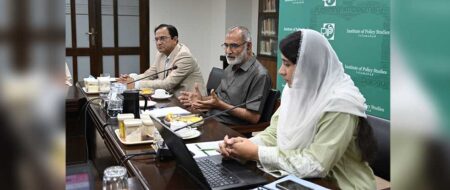
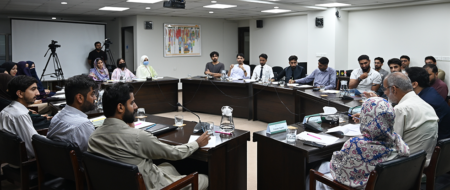
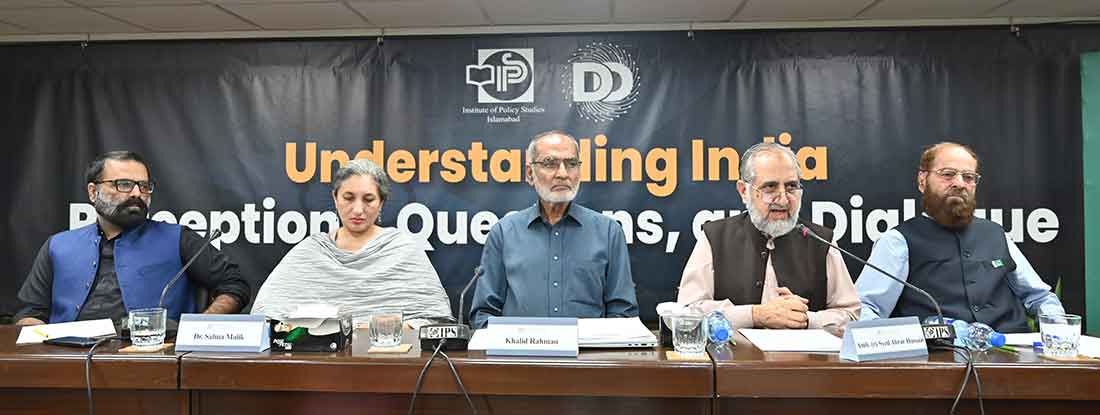
Understanding India’s strategic culture requires examining the historical, ideological, and civilizational factors that continue to shape its strategic outlook rather than interpreting contemporary developments in isolation. At the same time, Pakistan’s ability to navigate an increasingly complex regional environment depends on strengthening strategic thinking, promoting informed public discourse, and equipping young scholars with the analytical skills needed to engage critically with evolving geopolitical realities. These themes emerged during an interactive brainstorming discussion titled “Understanding Indian Strategic Culture: Trajectory, Contemporary Trends & Future Implications,” organized by the Institute of Policy Studies (IPS), Islamabad, on July 29.
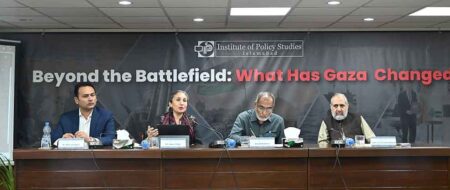
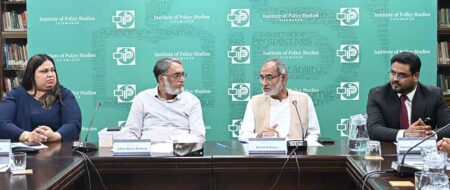
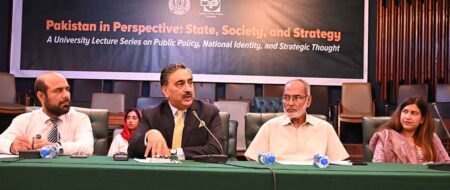
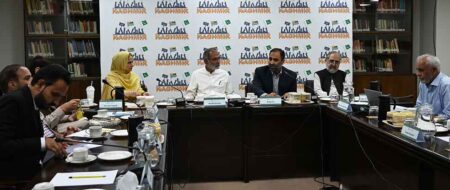
Unlike a conventional seminar, the session began with an extensive exchange of questions from students, academics, researchers, and professionals enrolled universities and institutions from across Pakistan, including participants from regions experiencing political instability. The discussion was shaped by participants’ active and critical observations, with panelists responding directly to their questions while presenting broader analyses of regional strategic developments. The seminar was moderated by Malik Waleed, IPS Research Assistant.
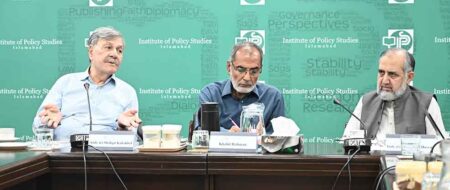
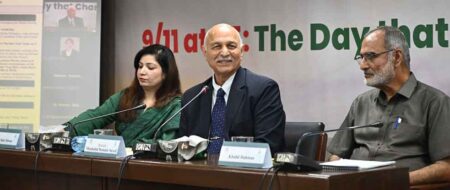
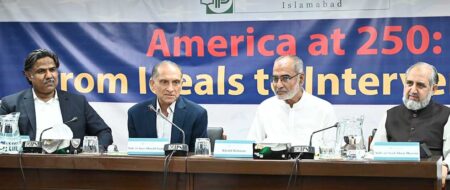
The panel featured Salman Javed, expert on regional affairs; Dr. Salma Malik, expert on defense and strategic affairs; Brigadier (r) Said Nazir, expert on security affairs; Ambassador (r) Syed Abrar Hussain, vice chairman, IPS; and Khalid Rahman, chairman, IPS.
Speakers emphasized that India’s contemporary strategic behaviour can only be understood within its broader historical and ideological evolution. They observed that strategic culture extends beyond changing political leadership and is rooted in long-term historical processes, evolving conceptions of national identity, and enduring institutional and civilizational influences. Participants stressed the importance of rigorous historical inquiry, critical analysis, and sustained academic engagement for understanding South Asian strategic dynamics.
The discussion also highlighted the need to assess regional politics through ethical reasoning, legal principles, and strong institutions while avoiding simplistic interpretations of complex geopolitical issues. Speakers underscored that meaningful strategic analysis requires engagement with diverse historical experiences, competing narratives, and multiple perspectives rather than focusing on isolated events or individual actors.
Addressing contemporary regional security challenges, discussants examined issues relating to military doctrines, diplomacy, water security, the Kashmir dispute, and the growing influence of misinformation, digital media, and artificial intelligence on public discourse. They maintained that strengthening Pakistan’s diplomatic engagement, strategic communication, and institutional capacity remains essential for responding effectively to emerging regional developments. The importance of Track-II diplomacy and continued academic dialogue was also highlighted as a means of fostering deeper understanding and reducing misperceptions.
Speakers further observed that constructive debate and informed public discourse are indispensable for sound policymaking and long-term national resilience. They encouraged students and young researchers to cultivate strong analytical skills, critically evaluate competing narratives, and contribute original ideas to policy discussions.
In his concluding remarks, Khalid Rahman said the objective of the session was not to promote predetermined conclusions but to broaden perspectives and encourage independent thinking among young scholars. Stressing the importance of strategic foresight, he urged participants to move beyond passive consumption of information, engage respectfully with differing viewpoints, and contribute meaningfully to evidence-based policy discourse. He added that strengthening intellectual inquiry and strategic awareness among Pakistan’s youth remains essential for addressing future regional and geopolitical challenges.