Experts call for clearer direction and integrated planning in energy and power sector
Experts emphasized the need for clearer institutional direction, integrated policy approaches, and long-term planning to address Pakistan’s evolving energy challenges. Discussions highlighted the importance of strengthening research on grid transformation, governance reforms, energy storage systems, energy self-reliance, and emerging global policy frameworks affecting the energy sector.
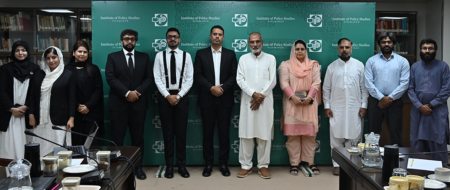
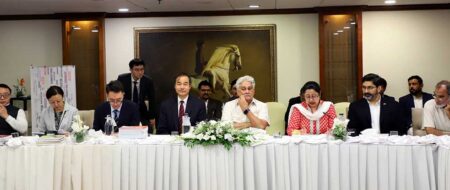
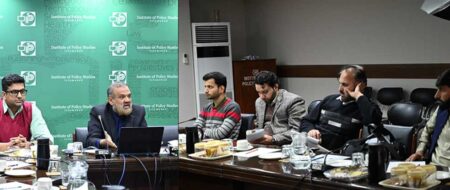
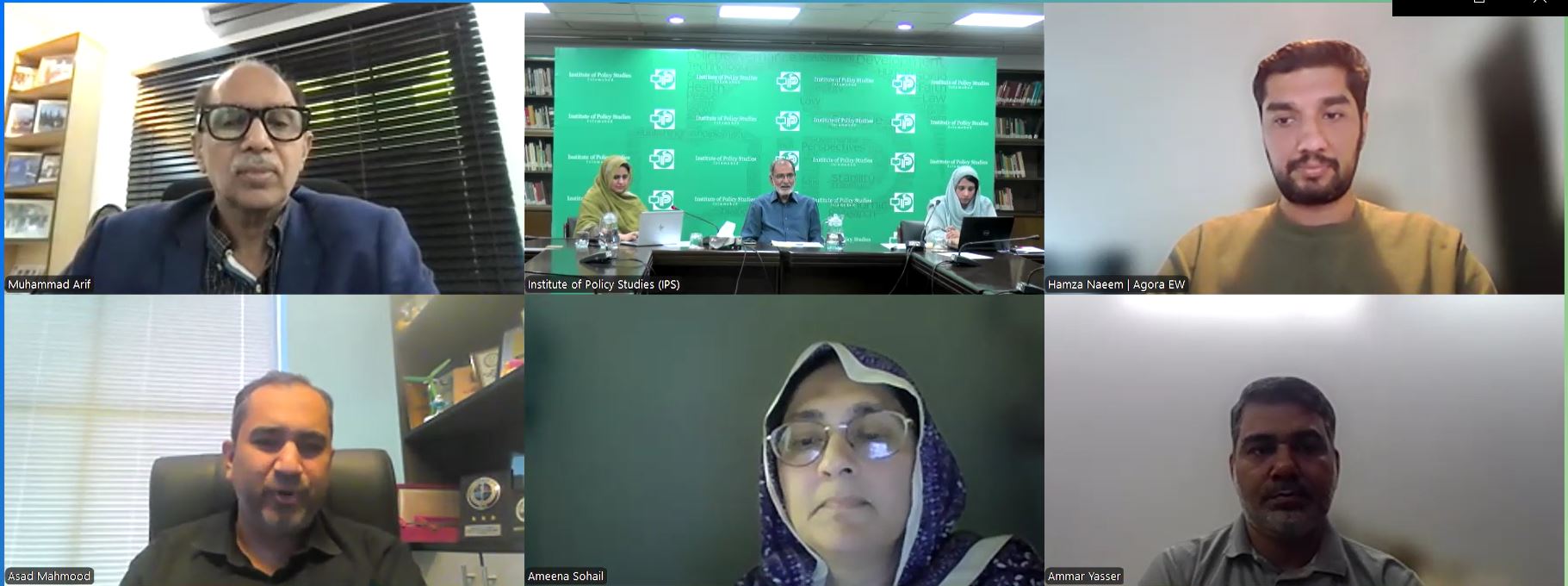
These views were shared during the Steering Committee meeting of IPS’s Energy, Water and Climate Change (EWC) Desk, convened to offer condolences on the passing of former committee chair Mirza Hamid Hassan and to welcome new members Hamza Naeem and Ammar Yasir. The meeting was attended by Khalid Rahman, Ameena Sohail, Ammar Yasir, Asad Mehmood, Shafaq Sarfaraz, Hamza Naeem, Muhammad Arif, and Faryal Qazi.
Discussions focused on refining the strategic direction of the EWC Desk, strengthening its program pillars, and identifying emerging research priorities. It was also noted during the meeting that Ashfaq Mehmood, a senior IPS associate and longstanding member of the Steering Committee, would now lead the committee with the consensus of the members.
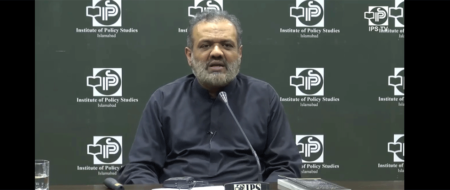
Opening the meeting, chairman IPS Khalid Rahman highlighted the focus of the EWC Desk on clean and affordable energy and emphasized the importance of regular engagement and practical policy input. Following this, Research Officer Faryal Qazi presented the proposed program themes and research plan for deliberation by the committee members.
During the discussion, senior IPS associate Ameena Sohail emphasized a structured program on grid flexibility, energy storage systems, and assessing Pakistan’s Just Energy Transition status. Ammar Yasir stressed the need to define IPS’s institutional reference point in the energy sector and to examine the implications of the Indus Waters Treaty being in abeyance for Pakistan’s energy sector. Muhammad Arif recommended strengthening governance and regulatory dimensions within the existing program pillars and focusing on domestic resource optimization for energy security.
Asad Mehmood highlighted the need to examine emerging policy instruments such as the Carbon Border Adjustment Mechanism and Digital Product Passport frameworks alongside research on data centers and artificial intelligence. Hamza Naeem proposed broadening the focus to a more comprehensive ‘Distributive Grid Transformation’ framework encompassing planning, operations, and deployment, while also highlighting the privatization of distribution companies (DISCOs) within broader power-sector reforms.
Concluding the meeting, Khalid Rahman thanked the members for their valuable participation, insights, and recommendations, expressing hope that continued collaboration would further strengthen IPS’s policy and research contributions in the energy and climate domain.