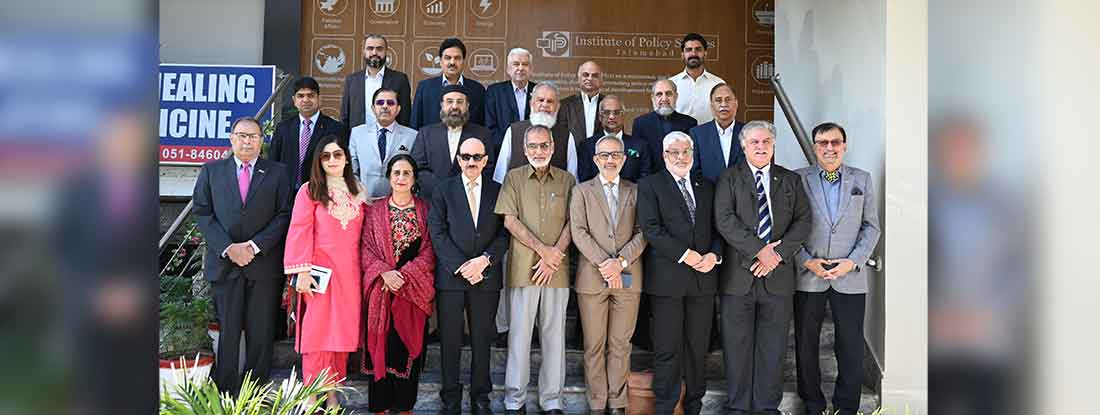
IPS Roundtable Examines Shifting Global Power Dynamics and Pakistan’s Strategic Imperatives in the Golden Ring Region
The evolving global geopolitical landscape, marked by a strategic reorientation of major powers and shifting regional priorities, is reshaping international alignments and compelling regional states to reassess their foreign policy approaches, strategic partnerships, and economic interests. For Pakistan, these developments present both opportunities and challenges, underscoring the need for a pragmatic foreign policy, resource sovereignty, and strengthened regional connectivity to safeguard its national security and economic interests.
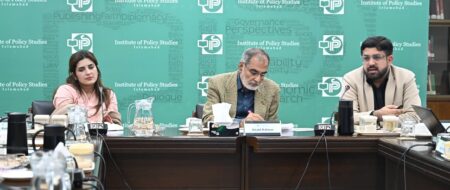
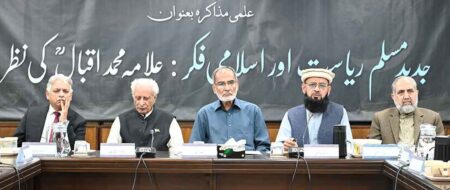
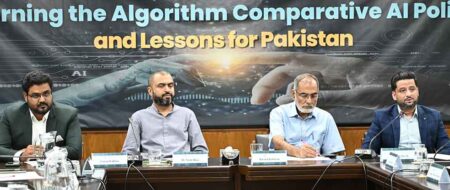
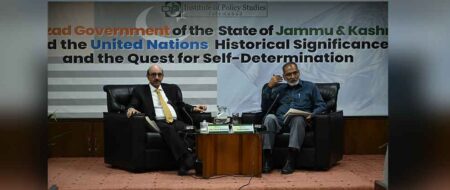
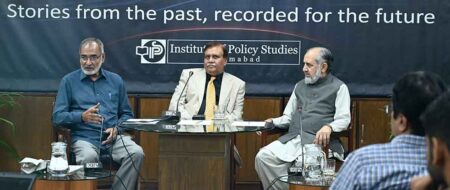
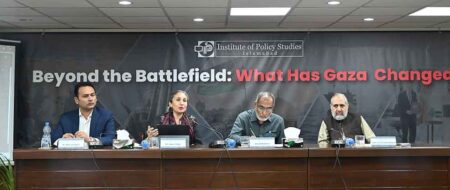
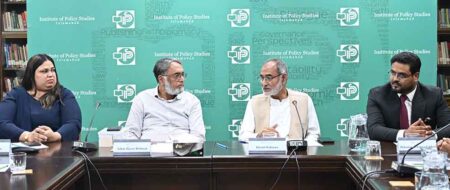
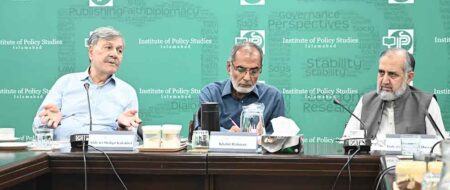
These views emerged during a roundtable conference held on 28 October 2026, titled “America’s Strategic Reorientation from the Middle East towards Central Asia: Navigating Pakistan’s National Security Imperatives in the Emerging Geopolitical Landscape of the Golden Ring Region,” organized by the Institute of Policy Studies (IPS), Islamabad, in collaboration with the Golden Ring Economic Forum (GREF).
The roundtable featured contributions from a distinguished group of policymakers, former diplomats, academics, and policy experts, including Hasnain Reza Mirza, President, Golden Ring Economic Forum (GREF); Lt. Gen. (r) Sikander Afzal, Chairman, GREF; Senator Mushahid Hussain Sayed, Chairman, Asia-Europe Political Forum; Amb. (r) Sardar Masood Khan, President, Center for Law and Security; Lt. Gen. (r) Majid Ehsan, President, Islamabad Policy Research Institute; Dr. Gul-i-Ayesha Bhatti, Assistant Professor, National University of Sciences and Technology; Dr. Ali Salman, Founder and CEO, PRIME Institute; Dr. Syed Muhammad Ali, Senior Policy and Strategic Analyst, IPS; Dr. Safdar A. Sohail, Executive Director, Social Protection Resource Centre; Dr. Saira Nawaz Abbasi, Head of IR Department, Bahria University, Islamabad; Dr. Zafar ul Hasan Almas, former Joint Chief Economist, Planning Commission, and Senior Research Associate, IPS; Maj. Gen. (r) Dr. Muhammad Samrez Salik, Chairman, The Human Security Institute; Air Cdre. (r) Khalid Banuri, Principal Adviser, Pathfinder CITADEL; Maj. Gen. (r) Inam ul Haque, Defense Analyst and Columnist; Amb. (r) Naela Chohan; Amb. (r) Nazir Hussain, President, Pakistan-China Joint Chamber of Commerce and Industry; Brig. (r) Said Nazir, Senior Associate, IPS; Khalid Rahman, Chairman, IPS; Abrar Ahmad Magoon, Vice Chairman, Endowment, IPS; and Amb. (r) Syed Abrar Hussain, Vice Chairman, Academics, IPS.
Participants examined the evolving roles of the US, China, and Russia on the global stage and their implications for Central Asia and Pakistan. They noted that great-power shifts influence regional alignments and prompt states to reconsider partnerships. Pakistan needs a consistent foreign policy that safeguards its interests while maintaining constructive relations with major powers.
Pakistan’s location connecting South Asia, Central Asia, and the Middle East offers opportunities for trade, transit, energy cooperation, and investment. Realizing this potential requires reliable road and rail links, functional trade corridors, and arrangements facilitating cross-border movement of goods and services.
Participants also emphasized that Pakistan’s mineral resources must remain under national ownership and strategic control. While foreign investment, technology, and expertise can support the mining sector, resource governance should serve Pakistan’s long-term economic and security interests. Transparent regulations, responsible investment, and domestic value addition are essential to ensure that mineral wealth benefits the country and its people.
Regional connectivity, they noted, must generate practical trade opportunities. Strong links with Central Asian markets, efficient border and customs procedures, and dependable access to seaports would benefit Pakistani businesses while connecting landlocked states to international markets. Afghanistan’s stability and predictable cross-border arrangements were identified as essential to keeping these routes functional.
Participants also stressed political stability, economic accountability, credible security arrangements, diversified partnerships, and effective implementation of the next phase of the China-Pakistan Economic Corridor. Strategic foresight and long-term planning are essential to translate Pakistan’s location, mineral wealth, and diplomatic relationships into economic gains while preserving national sovereignty.