IPS Chairman Khalid Rahman Delivers Lecture on Ethical Leadership and Conflict Management at NCRD
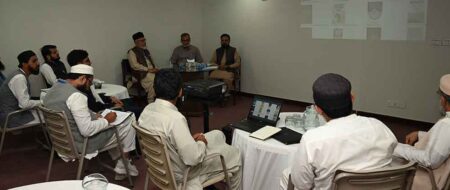
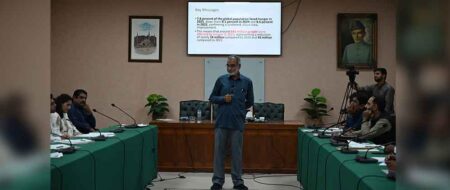
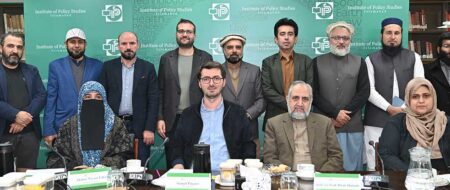
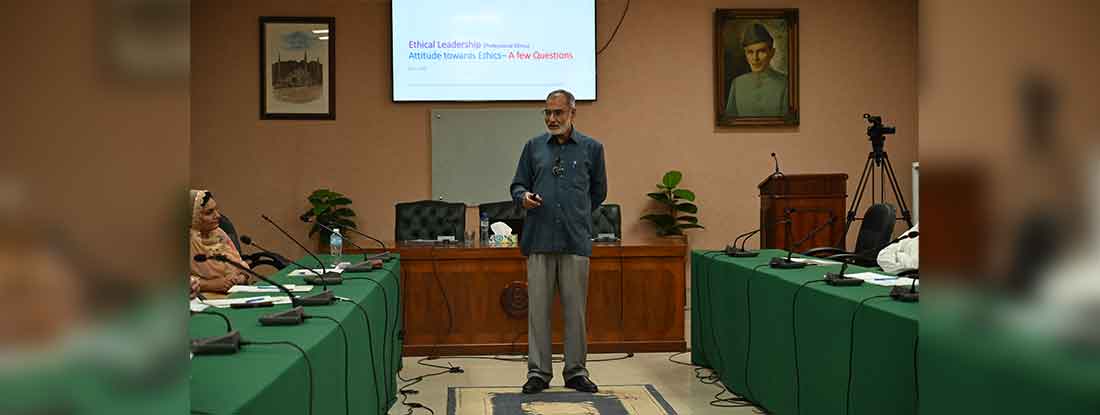
Chairman of the Institute of Policy Studies (IPS), Islamabad, Khalid Rahman, delivered two lectures on ethical leadership, conflict management, and decision-making at the National Centre for Rural Development (NCRD), Islamabad, on October 7, 2026. The lectures were part of NCRD’s three-day training workshop on “Ethical Leadership & Management at Workplace,” held from October 5 to 7, 2026. This marked his third lecture at NCRD.
Speaking to participants on the concluding day of the workshop, Rahman addressed two interconnected themes: “Ethical Leadership in Managing Conflicts” and “Improving Problem-solving and Decision-making Skills.” The lectures formed part of the workshop’s broader focus on strengthening ethical leadership and management practices in professional settings.
The three-day program brought together resource persons from academic institutions, policy organizations, and the professional sector to discuss various dimensions of workplace ethics and leadership. The lectures covered the foundations of ethical leadership and management, ethics, morality and values, leadership and supervision, ethical character-building, and the practical implementation of leadership action plans.
Other topics included ethical communication, team integrity, conflict management, goal-setting, accountability, and the development of personal leadership action plans. The program aimed to provide participants with a range of perspectives on ethical conduct, leadership responsibilities, and effective workplace management.
Khalid Rahman’s Lectures focused on managing workplace conflicts through ethical leadership and strengthening problem-solving and decision-making skills. These themes formed an integral part of the workshop’s emphasis on professional leadership and organizational management.
The workshop concluded on October 7 with a program evaluation and the distribution of certificates to participants.
IPS continues to engage with academic and professional institutions through knowledge-sharing initiatives and discussions on leadership, governance, and institutional development.