Türkiye-based youth organization visits IPS Visit
Cross-national dialogue, value-based education, and collaborative initiatives between think tanks and youth organizations are important to address the complex social, psychological, and ideological challenges confronting young people in Muslim societies.
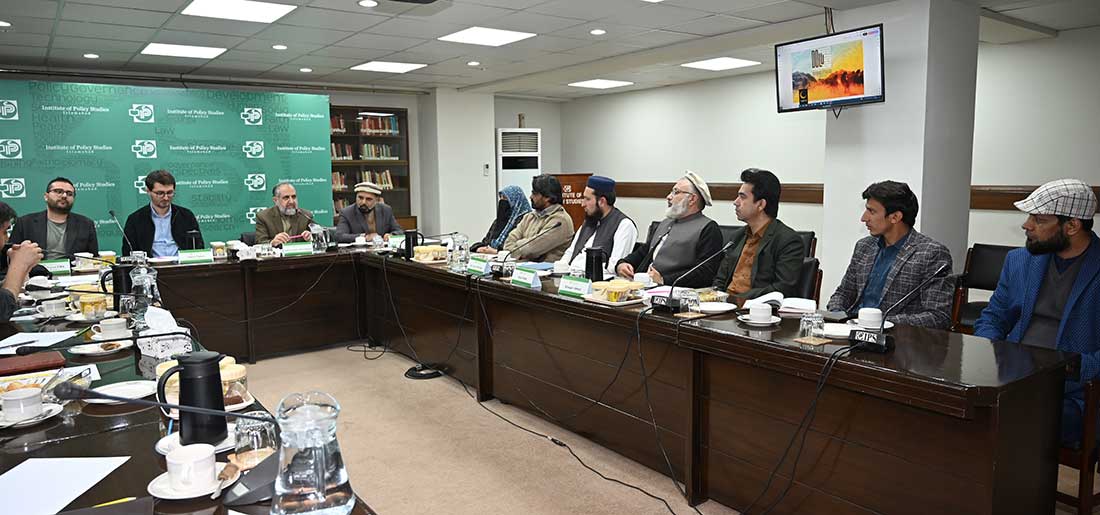
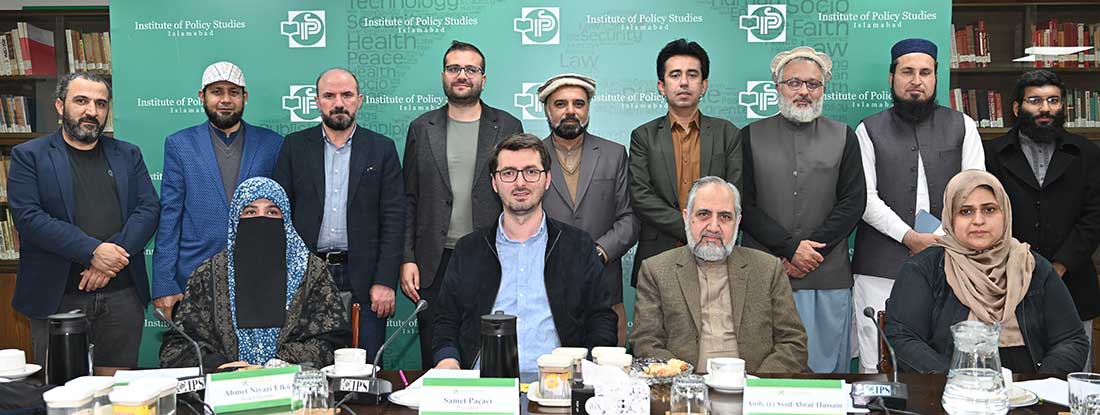
This was discussed during a delegation visit of YediHilal, a leading Türkiye-based youth organization dedicated to educational, social, and cultural development grounded in civilizational and Islamic values, at the Institute of Policy Studies (IPS), Islamabad, on November 26, 2025. The visit aimed to foster dialogue on shared challenges faced by youth in Pakistan and Türkiye and explore avenues for collaboration in youth engagement and value-based development.
The delegation was led by Samet Paçacı, Chairman of YediHilal, and included Muhammad Said Furuncu, Vice Chairman, Muhammet Ferhat Yeşil, Deputy President (Financial Affairs), and Ahmet Niyazi Ülkü, Board Member for International Relations.
Subsequently, IPS organized an interactive dialogue between the YediHilal delegation and youth leaders from various universities, including the National University of Modern Languages (NUML), Bahria University, and Riphah International University. The session provided a platform for cross-cultural exchange on youth issues, activism, and intellectual engagement.
Opening the discussion, Samet Paçacı highlighted the key challenges confronting Turkish youth across schools and universities. He pointed to growing pressures stemming from identity-related confusion, socio-economic uncertainty, and the need for value-based leadership and institutional support to guide youth towards constructive societal roles.
Representing NUML, Dr Noor Wali outlined three major challenges faced by Pakistani youth. These included economic concerns, particularly unemployment; erosion of trust in government institutions, the political system, and leadership across the Muslim world; and a widening gap between youth and religious scholars, which has contributed to confusion and disengagement on religious and ethical matters.
Dr Qudsia, from Riphah International University, drew attention to the psychological challenges faced by youth, attributing them largely to failing socio-political systems, uncertainty about the future, and a sense of disconnection. She emphasized the need for a holistic approach to youth wellbeing and proposed logotherapy as an effective method for addressing youth alienation by helping individuals rediscover meaning, purpose, and responsibility in life.