Sustained diplomacy key to counter India’s attempts to normalize Kashmir status quo: Seminar
Sustained diplomacy and informed advocacy are essential to counter India’s attempts of normalizing the status quo in occupied Kashmir, which remains a test case for the international legal system, particularly the fundamental principle of the right to self-determination. This position rests on internationally recognized legal foundations, including geographical proximity, demographic composition, and the historical and cultural ties of Kashmir with Pakistan.
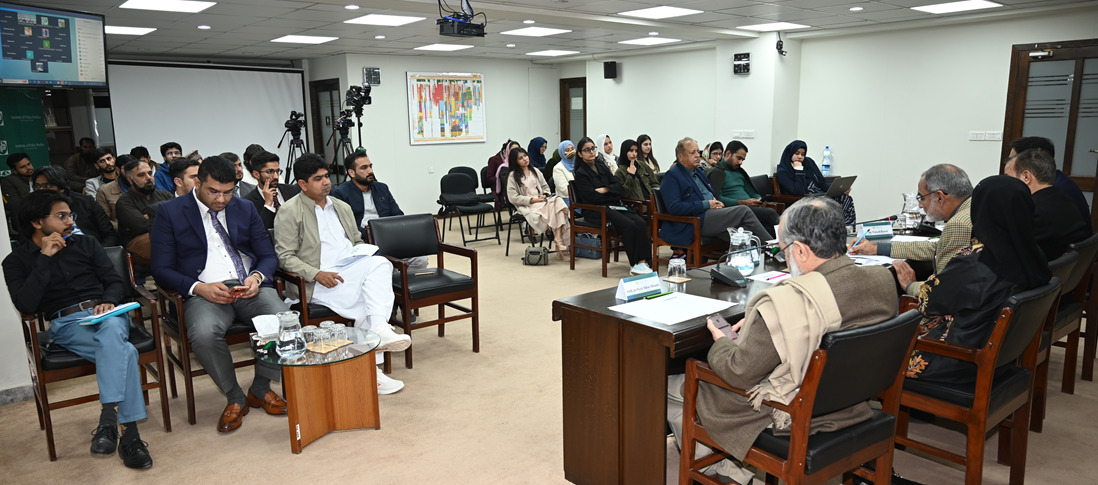
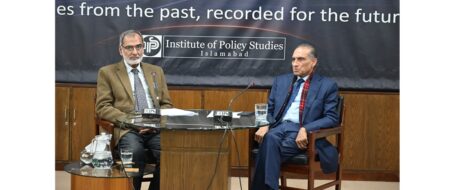
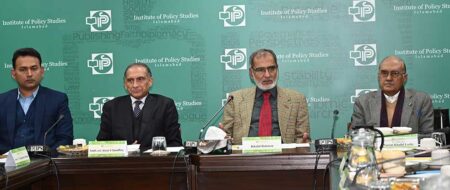
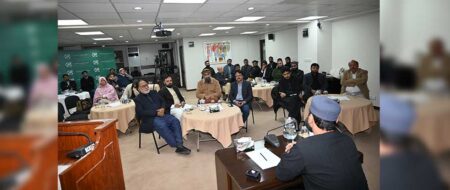
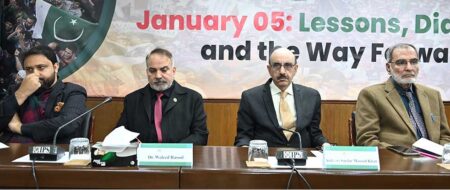
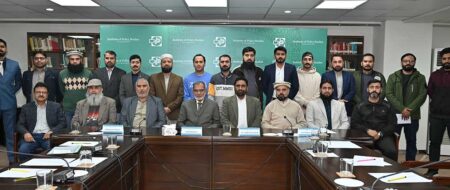
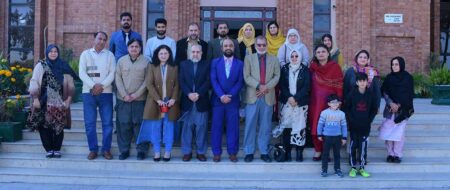
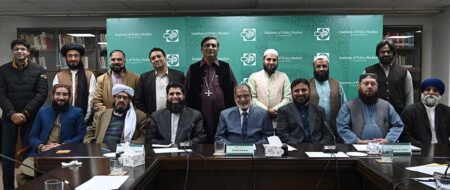
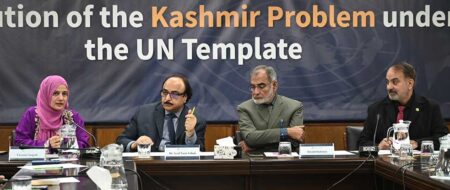
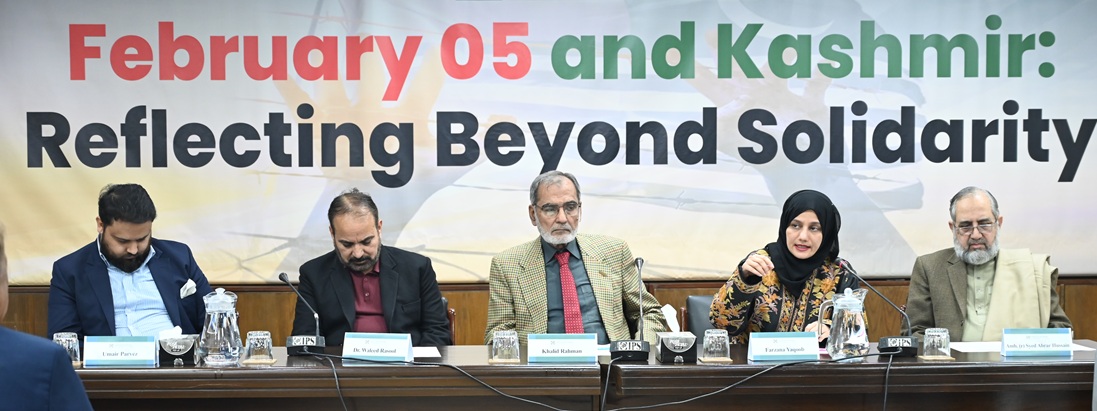
This was discussed during an interactive session at the Institute of Policy Studies (IPS), Islamabad, held on February 03, 2026, where scholars, researchers, and university students gathered to commemorate Kashmir Solidarity Day under the theme “February 05 and Kashmir: Reflecting Beyond Solidarity.” The speakers included Khalid Rahman, chairman IPS, Ambassador (r) Syed Abrar Hussain, vice-chairman IPS, Farzana Yaqoob, secretary IPS Working Group on Kashmir, Dr Waleed Rasool, executive director Institute of Dialogue, Development & Diplomatic Studies, and Umair Parvez Khan, lecturer, National Defence University.
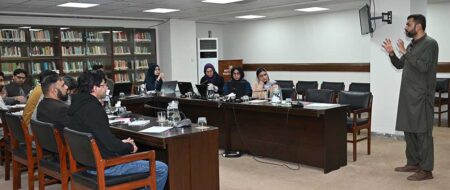
The session was marked by vibrant and productive engagement, with scholars and students actively participating through thought-provoking questions, transforming the discussion into a meaningful exchange of ideas across the multiple dimensions of the Kashmir issue.
The discussion underscored the responsibility of think tanks and academic forums to inform, guide, and sensitize audiences on multiple aspects of the Kashmir issue. Speakers emphasized that Kashmir remains central to Pakistan’s national discourse and foreign policy, and that sustained intellectual engagement is essential to keep the issue alive in an increasingly complex global environment. The session also drew parallels between Kashmir and Palestine while highlighting that a key distinction lies in the presence of a consistent and strong advocate for Kashmir at the international level in the form of Pakistan.
Participants highlighted that expressions of solidarity must be complemented by concrete and continuous actions at the diplomatic, economic, and societal levels. Considering Kashmir as one of the oldest unresolved disputes on the UN agenda, Pakistan has repeatedly raised the issue to remind the international community of its legal and moral obligations. Likewise, speakers pointed to institutionalized policies that have altered representation in key administrative positions despite the region’s Muslim majority population. Such measures were described as part of a broader strategy to engineer long-term political and demographic shifts, raising serious questions about governance and representation in the occupied territory.
Participants stressed that the media is not merely a tool for disseminating narratives but also for presenting facts. Therefore, responsible media coverage should consistently highlight the human cost of the conflict, including the sufferings of “half-widows”, who reflect the profound social trauma of women, caused by enforced disappearances. Similarly, it was suggested that scholarly engagement be institutionalized through initiatives that are vital to amplifying Kashmiri voices and presenting their case effectively at various global levels.
In conclusion, Khalid Rahman appreciated the active engagement and thoughtful questions, which reflected a growing interest among the youth in understanding Kashmir beyond slogans and emotional appeals. He further underscored the importance of nurturing an informed new generation capable of engaging with data-driven platforms and adapting to changing global realities in the light of emerging challenges.