Sustainable solutions to child marriage lie beyond punitive laws, require holistic, community-driven approach: Experts
Sustainable solutions to child marriage require more than the enforcement of punitive laws like the ICT Child Marriage Restraint Act 2025. It demands a holistic approach that nurtures moral development, encourages inclusive discourse, and fosters societal responsibility. A comprehensive strategy, grounded in public awareness, education, family support, and community dialogue, is crucial to addressing the root causes of early marriage. Only through collective efforts that combine legal safeguards with cultural sensitivity and ethical upbringing can meaningful and long-term social progress be achieved.
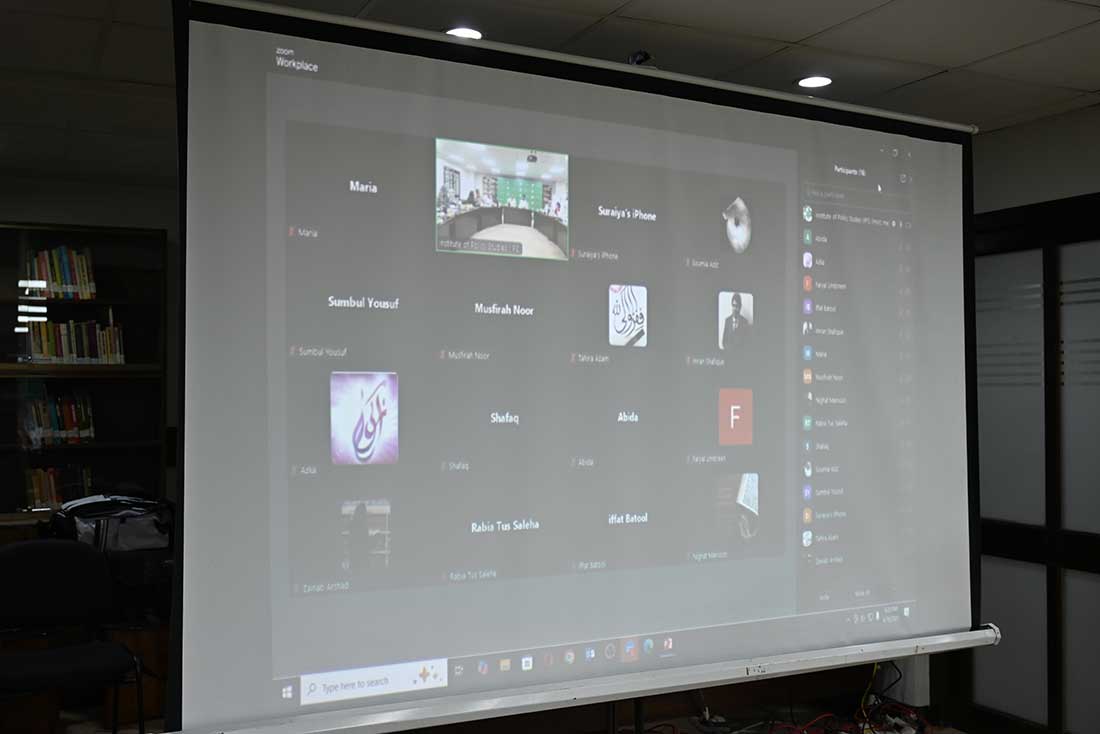
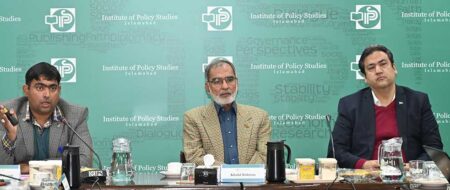
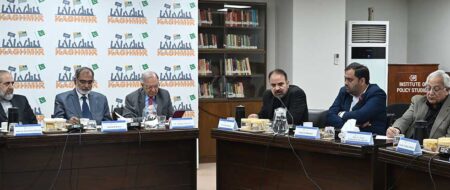
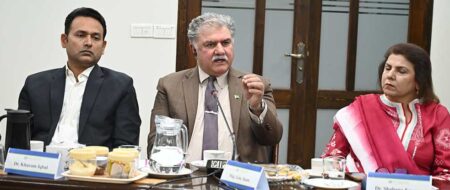
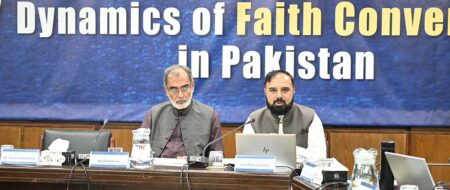
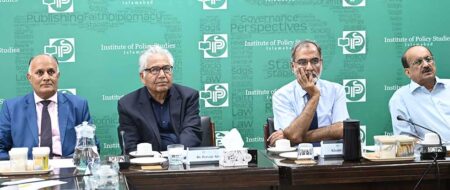
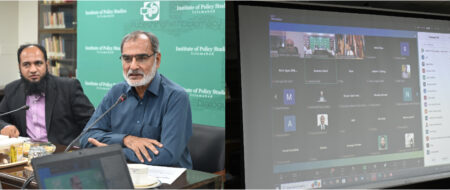
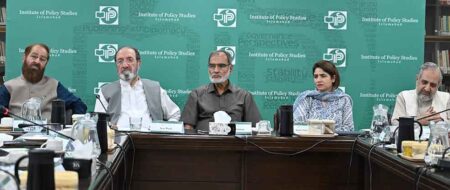
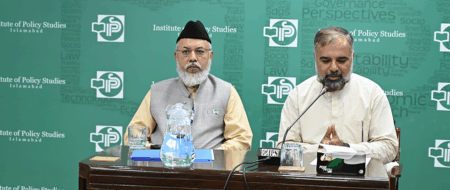
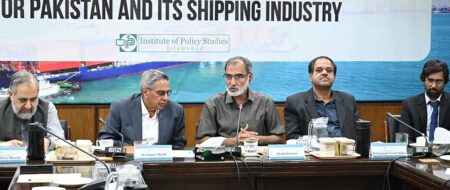
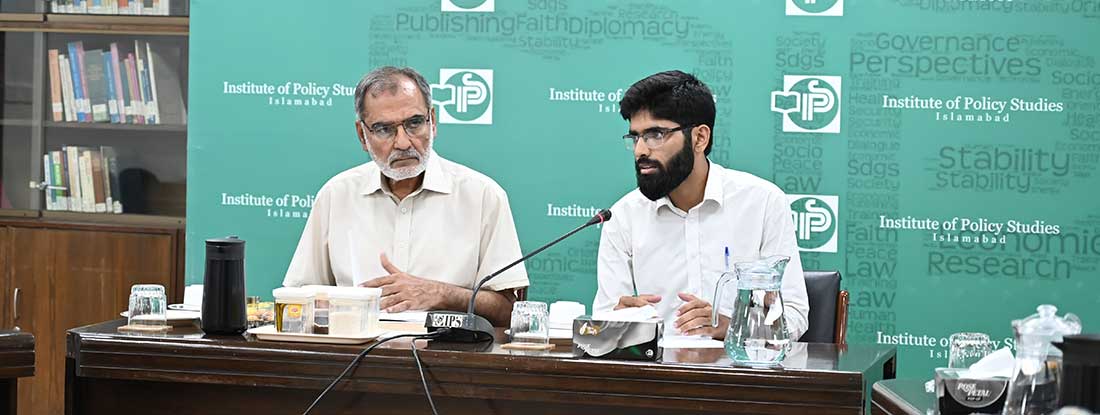
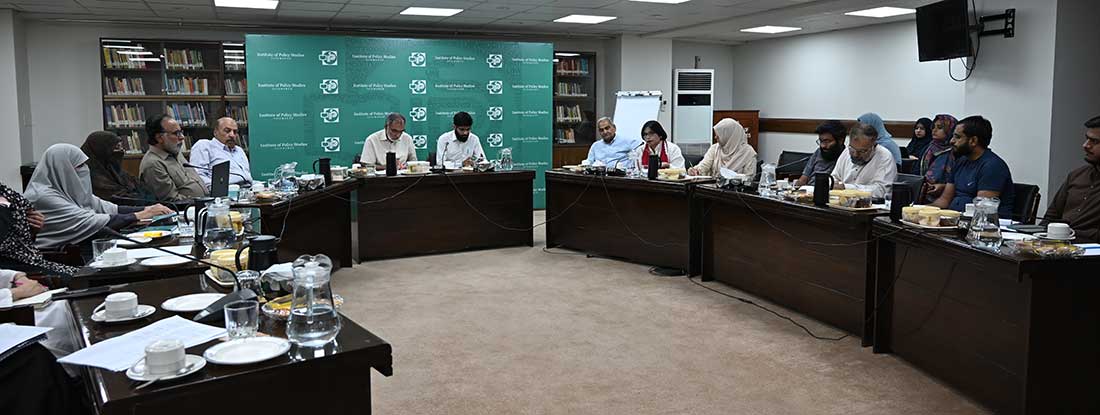
This was discussed during a session titled, “ICT Child Marriage Restraint Act 2025 – Legal, Social, and Religious Perspectives,” held at the Institute of Policy Studies, Islamabad, on June 19, 2025. The session was addressed by Khalid Rahman, chairman, IPS, Hammad Saeed Dar, advocate, High Court, Dr Umm-e-Kulsoom, physician and Islamic scholar, and Dr Ghazala Ghalib, senior lecturer, International Islamic University, Islamabad, among other scholars and practitioners.
The discussion highlighted that Pakistan’s laws on child marriage are still rooted in colonial-era legislation, such as the Age of Consent Act of 1891 and the Child Marriage Restraint Act of 1929, under which the minimum age for marriage is 16 years for females and 18 years for males. While Sindh repealed the 1929 law in 2014, setting the legal marriage age at 18 for both males and females, it remains in force in provinces like Punjab, where inconsistencies persist, noted Hammad Dar.
Recent developments, including the ICT Child Marriage Restraint Act 2025 legislation in Islamabad, have criminalized marriages involving individuals under 18, making such offenses non-bailable and non-compoundable. Although underage marriages are criminalized, there remains a pressing need to align these laws with ground realities, social values, and cultural sensitivities.
During the discussion, the harmful consequences of child marriage, such as teenage pregnancies, maternal health risks, and emotional trauma, were highlighted as urgent public health and social concerns by Dr Umm-e-Kulsoom. However, it was stressed that legislation alone cannot prevent these outcomes. A comprehensive strategy that encompasses public awareness, education, family support, and community dialogue is crucial for achieving meaningful change.
From a legal perspective, Dr Ghazala Ghalib explained that Islam does not mandate marriage by a certain age, but bases it on ‘bulugh’ and ‘rushd,’ a combination of physical and mental maturity. She cautioned that the trend of criminalization in the current legal practice of Pakistan follows a Western punitive framework that may overlook cultural sensitivities and Islamic values such as ‘tarbiyat’ (moral and spiritual development). She stressed the need for flexibility in the law and urged that marriage, being a contract, requires informed maturity from both parties.
Concluding the session, Khalid Rahman emphasized the dangers of polarization in legislative discourse, particularly on sensitive issues such as child marriage. He cautioned that such laws cannot function in isolation, as introducing one piece of legislation often generates new challenges and leads to demands for additional laws within the same domain, addressing related but distinct issues.
Referring to Maulana Maududi’s stance, Rahman highlighted that setting rigid age limits may contradict Islamic ethics and social realities. Instead, a focus on education, awareness, and gradual social reform, while allowing legal flexibility for exceptional cases, should be advocated.
The discussion concluded with consensus on the need for a holistic approach, where legal safeguards, moral education, community awareness, and family strengthening go hand in hand to address child marriage in a culturally and religiously respectful manner.