Pakistan’s disaster response must be rooted in both innovation and inclusion, IPS Senior Associate Ikram ul Haque Syed at NDMA
Pakistan stands at the frontline of the climate crisis. Our disaster response must be rooted in both innovation and inclusion. By empowering communities, leveraging technology, and aligning with international frameworks, without losing sight of our local realities, we can build a more resilient and responsive system,
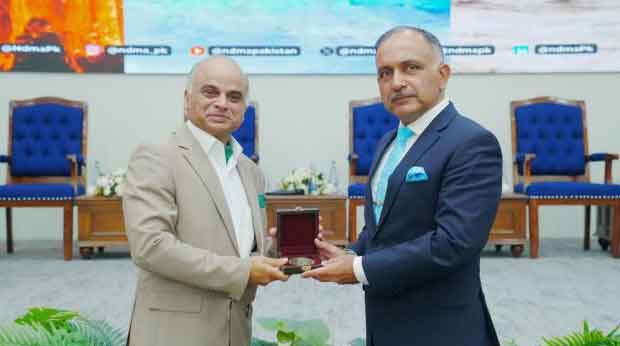
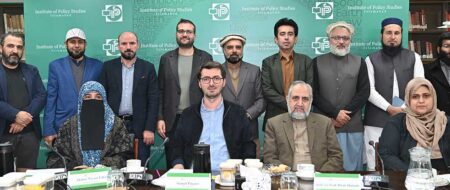
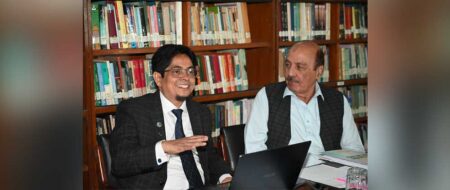
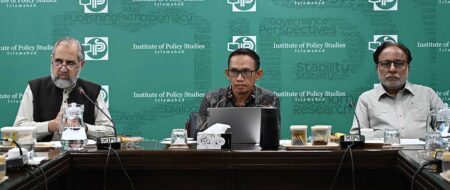
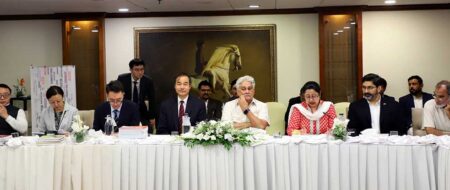
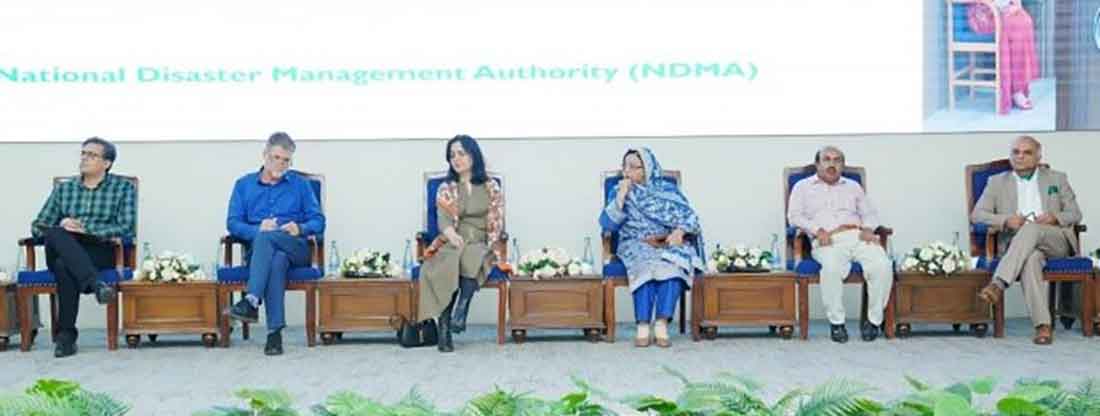
This was observed by Ikram Ul Haque Syed, senior associate at the Institute of Policy Studies (IPS), Islamabad, who participated in a detailed demonstration on the operations of the National Emergency Operations Centre (NEOC), on April 25, 2025, and contributed as a senior panelist at the National Conference on Policy Development for National Curriculum on Disaster Management Trainings on April 29, 2025, held at NDMA Headquarters, Islamabad.
The session brought together management and technical teams from the National Disaster Management Authority (NDMA) alongside representatives from other leading think tanks. The purpose of this interactive engagement was to explore collaborative avenues between national institutions and research bodies to strengthen Pakistan’s disaster preparedness and response mechanisms.
During the session, NDMA officials provided a comprehensive overview of the NEOC’s operational framework, detailing processes from data collection and real-time analytics to multi-stakeholder communication and coordination. They highlighted how advancements in technology, coupled with robust data analytics, are being leveraged to enhance early warning systems and streamline disaster response across the country.
Ikram ul Haque Syed advanced three innovative proposals aimed at augmenting Pakistan’s disaster management capabilities. These included: expanding Girl Guides and Boy Scouts programs as community-level first responders, particularly in climate-vulnerable areas, to build grassroots resilience, launching a Climate Bond initiative in partnership with corporate stakeholders to secure sustainable financing for disaster management, addressing chronic funding gaps, and introducing global certifications such as GARP SCR and CC-P for disaster management teams, enhancing professionalism and ensuring alignment with international best practices.
Speaking later as a senior panelist at the National Conference on Policy Development for National Curriculum on Disaster Management Trainings on April 29, 2025, Ikram Ul Haque Syed stressed the importance of community participation, local government input, and alignment with both global best practices and Pakistan’s unique disaster profile. He called for a dynamic curriculum model that balances foundational knowledge with specialized modules on disaster terminology, climate change, and Pakistan-specific vulnerabilities, progressing to specialized topics like climate finance, GIS applications, and community-based risk reduction, and culminating in practical simulations, research projects, and internships.
The discussion also critically assessed challenges associated with these proposals, including the need for cultural adaptation, safeguarding youth first responders, and ensuring transparency in financial instruments like climate bonds. Recommendations underscored pairing technological interventions with grassroots participation, structuring climate bonds with clear accountability frameworks, and blending international certifications with localized training.
Through these deliberations, the event underscored the necessity of multi-stakeholder collaboration, capacity building, and innovative financing mechanisms to strengthen Pakistan’s disaster management landscape, tailored to the country’s unique climate vulnerabilities.