Experts urge for Battery Storage and Grid Flexibility to Support Pakistan’s Renewable Energy Transition
Pakistan’s growing reliance on solar and other renewable energy sources requires greater adoption of battery energy storage systems (BESS) and improved grid flexibility to manage fluctuations in electricity supply and demand, energy experts have said.
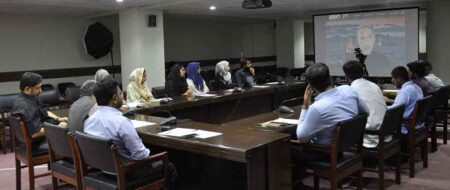
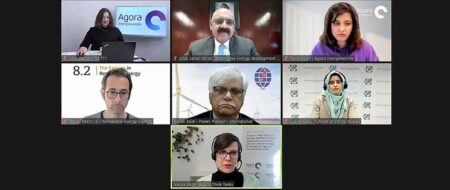
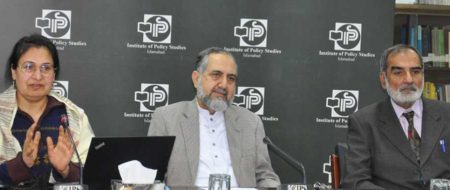
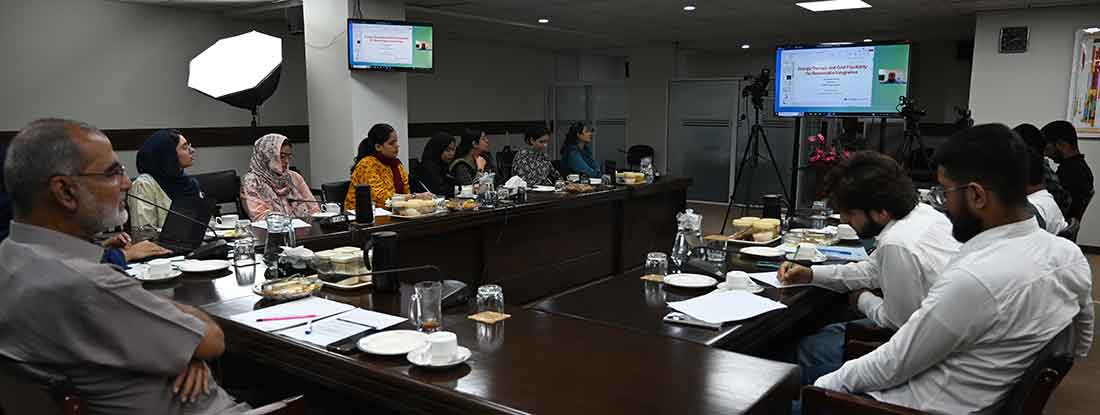
The views were shared at a webinar titled “Energy Storage and Grid Flexibility for Renewable Integration,” organized by the Institute of Policy Studies (IPS), Islamabad, on August 11, 2026.
The session featured Dr. Fiaz Chaudhry, chairman, National Grid Company; Prof. Dr. Naveed Arshad, director, LUMS Energy Institute; and Sameer Raza, solutions manager, Huawei. Hamza Naeem, project manager electronics, Agora; Omar Haroon Malik, Central Power Purchasing Agency; Umer Khan, Private Power and Infrastructure Board; Ammar Yasir, IPS Associate; and Khalid Rahman, chairman IPS, also contributed to the discussion.
Opening the discussion, Hamza Naeem observed that the growing use of distributed energy resources is reshaping Pakistan’s power system into a more flexible and decentralized network. He noted that rising solar generation reduces demand during midday but creates steeper increases in electricity demand during the evening, making flexibility increasingly important for system security and cost management.
Prof. Dr. Naveed Arshad highlighted that, without sufficient storage, electricity must largely be consumed when it is generated. He described battery energy storage systems as a potentially transformative technology for the power grid, adding that declining battery costs could accelerate their adoption.
Dr. Fiaz Chaudhry said the National Grid Company would facilitate technologies, including batteries that support the grid. He noted that although solar power has reduced reliance on grid-supplied electricity, peak demand remains high. Storing surplus daytime solar generation for use during evening and night-time hours, he said, could ease pressure on the grid.
Sameer Raza outlined several applications of BESS, including peak shaving, renewable energy integration, frequency and voltage support, ancillary services, grid reinforcement, and industrial use. He also identified opportunities in virtual power plants, electric-vehicle charging with storage, community energy storage, and ancillary-service markets. However, he pointed to financing, technical skills, and regulatory frameworks as key challenges.
Discussing institutional requirements, Omar Haroon Malik said the Independent System and Market Operator viewed batteries as an opportunity and was exploring their standardization and integration into the power system, including for peak-demand reduction. Umer Khan emphasized that Pakistan must first determine the specific purposes and system requirements that battery storage is expected to address.
Ammar Yasir noted that high electricity costs were encouraging consumers to adopt behind-the-meter solar systems. He welcomed consideration of battery storage and virtual power plants as possible responses to emerging grid challenges.
Concluding the discussion, Khalid Rahman stressed that governance would remain central to the power sector’s transition. He called for a balance between market forces and regulatory oversight, with reforms aimed at ensuring electricity availability, accessibility, affordability, and reliability.